The Vivome™—Demystifying Qi
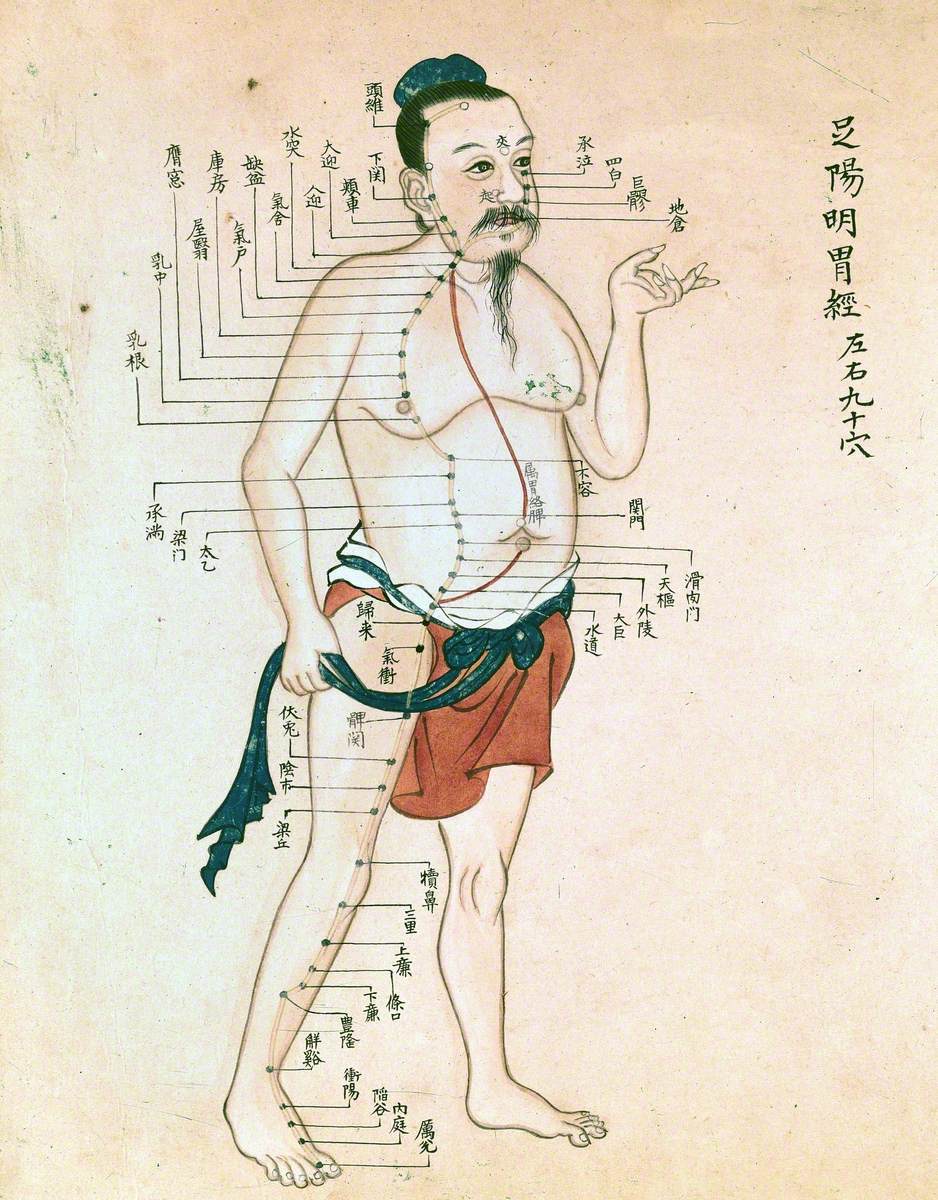
Chinese medicine's most fundamental concept is qi (pronounced "chee"). Its traditional Chinese character is 氣.
Qi is traditionally conceived as a vital quality or substance that can be cultivated and managed through therapeutic and lifestyle practices.
Researchers have searched for qi in electromagnetic and thermal emissions, meridian properties, and distinctive biological effects—but none has established qi as a single, discrete physical entity.
Perhaps that’s because there was never one discrete thing to find.
I propose that qi is a catch-all term for what I call our Vivome.
Our Vivome comprises the measurable, interacting physiological systems, states, and processes that collectively determine our degree of vitality and function.

These include fascia, nervous-system activity, hydration, circulation, cellular signaling, endocrine and immune regulation, mitochondrial function, and more.
I coined Vivome from viv-, relating to life, living, and vitality, and -ome, used in biology to describe a comprehensive biological whole or set—as in the genome, microbiome, proteome, and metabolome. The Vivome describes their integrated expression in the living organism as vitality and function.
Our Vivome is a quantifiable, modern successor to the classical concept of qi, and the basis of the Vivome Operationalization Framework (VOF)—my proposed research framework for standardizing how its interacting physiological domains are measured and studied. The systematic measurement and study of the Vivome may be described as vivomics.
I coined Vivome from viv-, relating to life, living, and vitality, and -ome, used in biology to describe a comprehensive biological whole or set—as in the genome, microbiome, proteome, and metabolome. The Vivome describes their integrated expression in the living organism as vitality and function.
Our Vivome is a quantifiable, modern successor to the classical concept of qi, and the basis of the Vivome Operationalization Framework (VOF)—my proposed research framework for standardizing how its interacting physiological domains are measured and studied. The systematic measurement and study of the Vivome may be described as vivomics.

My Introduction to Qi
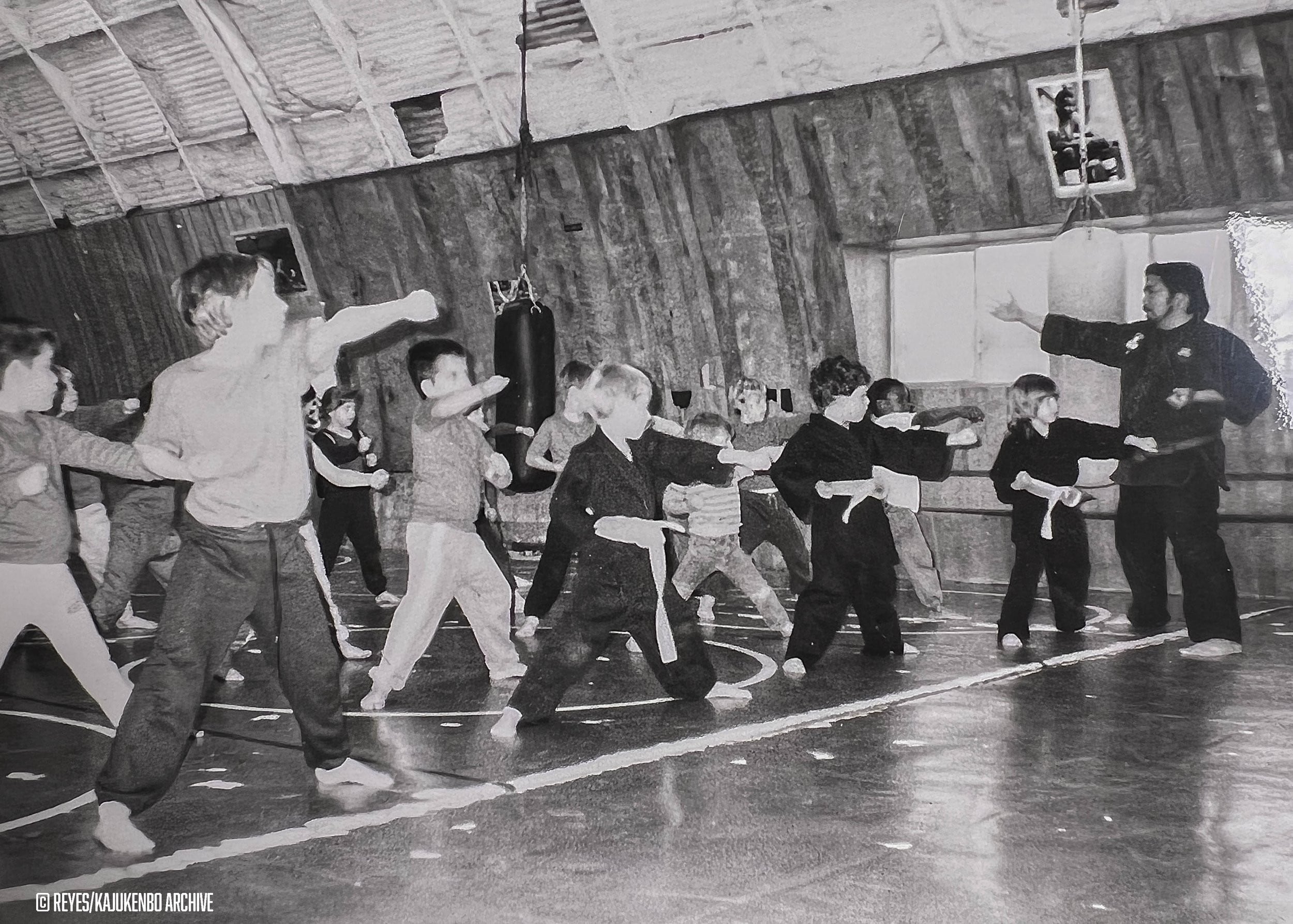
I practiced Kajukenbo from ages 7 - 10. While Kajukenbo is not overtly associated with Taoist practices like Qigong or Tai Chi, they have common roots. Kajukenbo uses "ki" (pronounced "kee") for self-defense whereas Qigong and Tai Chi cultivate qi for homeostasis and healing.
Of no small coincidence, I learned about the symbiotic relationship between Tui Na and Martial Arts at the Acupressure Institute when I was 21. While their earliest references are found in the Spring and Autumn Annals (5th century BCE), legend places their origin more than 4,000 years ago, during the semi-mythical Xia Dynasty.
According to Encyclopaedia Britannica:
"The primary unifying aspect of the East Asian martial arts, which sets them apart from other martial arts, is the influence of Daoism and Zen Buddhism. This influence has resulted in a strong emphasis on the mental and spiritual state of the practitioner, a state in which the rationalizing and calculating functions of the mind are suspended so that the mind and body can react immediately as a unit, reflecting the changing situation around the combatant. When this state is perfected, the everyday experience of the dualism of subject and object vanishes. Since this mental and physical state is also central to Daoism and Zen, and must be experienced to be grasped, many of their adherents practice the martial arts as a part of their philosophical and spiritual training."